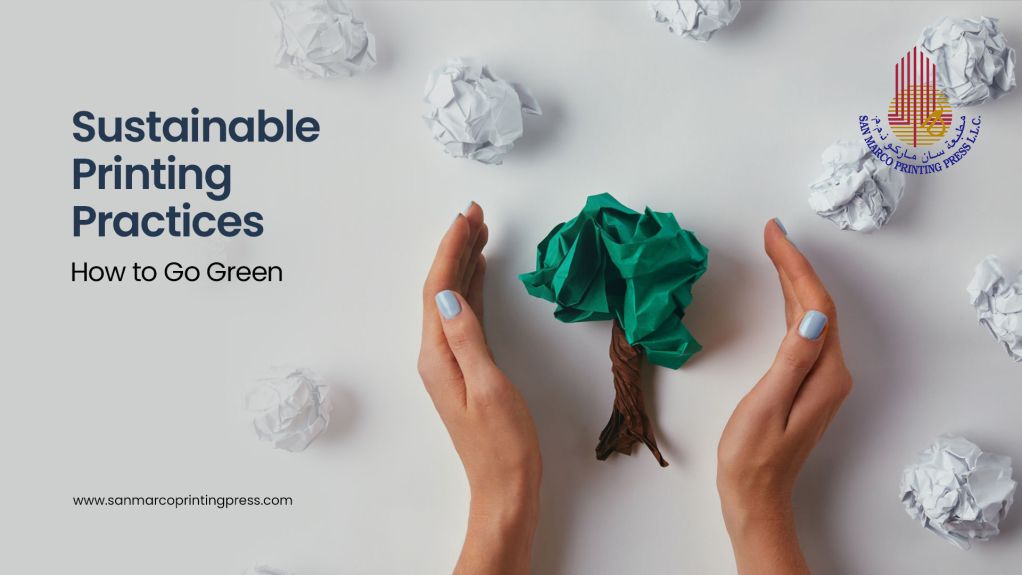
Sustainable Printing Practices: How to Go Green
This world has long discussed rising environmental issues, and most of us are fully aware of their impact. Many individuals and businesses have already adopted practices to reduce ecological footprints, and many have found success. Printing, however, remains essential for numerous operations yet contributes significantly to waste and pollution if not managed sustainably. With the right strategies, printing can become an environmentally friendly activity. A professional Printing Press in Dubai can help businesses adopt greener solutions and move toward a Go Green approach in sustainable printing.
1. Choose Eco-Friendly Paper
One of the simplest ways to switch to eco-friendly printing practices that are more sustainable is to select the right paper. Here are some options that can be feasible for you to make the right choice of paper to start your step towards an environmentally friendly printing.
- Recycled Paper: Try reducing the demand for virgin pulp and lower energy consumption during production with a smart adoption to recycled paper printing. Look ahead for a paper with a high percentage of post-consumer waste.
- FSC-Certified Paper: The Forest Stewardship Council (FSC) certifies paper products that come from responsibly managed forests, ensuring that the trees are harvested sustainably.
- Tree-Free Paper: Consider alternatives made from bamboo, hemp, or cotton. These materials often have a lower environmental impact compared to traditional wood pulp.
2. Use Sustainable Inks
The type of ink you choose can significantly affect the sustainability of your printing practices. Consider switching to an eco-friendly ink to eliminate the use of traditional petroleum-based inks that can release volatile organic compounds (VOCs) during the printing process. Here are some eco-friendly ink options:
- Soy or Vegetable-Based Inks: These inks are made from renewable resources and produce fewer VOCs, making them a cleaner choice.
- Water-Based Inks: These inks use water as a solvent, reducing the reliance on harmful chemicals, thus offering a more environmentally friendly alternative.
3. Optimise Your Printing Processes
Implementing energy- efficient printing practices can help minimise waste and save resources:
- Print Double-Sided: Encourage double-sided printing or duplex printing to reduce paper usage by half. Many printers now have automatic duplexing capabilities, which can speed up the printing process as well as contribute to your sustainability practices.
- Print in Black and White: When you really feel that colour printing is not necessary, try opting for that simple black and white printing to save on ink and costs.
- Use Print Preview: Always check for a print preview to avoid printing unnecessary pages. This is one of those simple steps that can significantly cut down on paper waste.
4. Invest in Energy-Efficient Equipments
If you are looking for energy- efficient printing, try adopting such practices to stay ahead in sustainability.
- Look for Energy Star Certification: Energy Star-rated printers consume less energy, reducing both your electricity costs and carbon footprint.
- Choose Multi-Function Devices: These machines combine printing, scanning, copying, and faxing capabilities, which can reduce the need for multiple devices and save energy.
- Ensure Periodic Maintenance: Keep your printers well-maintained to ensure they operate efficiently. This includes cleaning and using the correct settings to avoid excessive ink use.
5. Implement a Smart Print Management System
An efficient print management system can help monitor and control printing activities, making it easier to implement sustainable and energy- efficient printing practices:
- Track Printing Habits: Use a customised software to analyse your organisation's printing behaviour. This can help identify areas for improvement and reduce unnecessary printing.
- Set Printing Policies: Establish guidelines as to when and how to print, such as limiting colour printing or even encouraging the new age digital communication.
- Encourage Digital Alternatives: Promote the use of digital documents over printed ones whenever possible. Try utilising tools like PDF sharing, cloud storage, and electronic signatures to minimise paper usage, thus contributing to your go-green initiatives.
6. Recycle and Dispose of Waste Responsibly
Even with the best sustainable practices in place, some waste will always be generated. Here’s how you can manage it responsibly:
- Recycle Used Paper: Set up recycling bins specifically for paper waste, that can be shredded and disposed efficiently.
- Efficient Dispose of Printer Cartridges: Many manufacturers offer take-back programs for used ink and toner cartridges. Ensure that you are enrolled in these programs to ensure proper cartridge disposal and recycling.
- Educate Staff: Conduct training sessions to inform employees about the importance of recycling and how to properly dispose of waste materials.
7. Consider Print Alternatives
In today’s digital age, many traditional printing needs can be met with electronic solutions:
- Digital Communication: Use emails, newsletters, and social media for communication instead of printed materials. This not only saves paper but also reaches a broader audience.
- E-Books and PDFs: Instead of printing books or manuals, consider offering digital versions. This reduces the need for printing entirely and is more convenient for users.
Let’s adopt sustainable printing practices that are not only beneficial for the environment but can also enhance your brand’s reputation and reduce costs. By choosing eco-friendly materials, optimising processes, investing in energy-efficient equipment, and fostering a culture of sustainability, you can make significant strides toward greener printing. Every small change to adopt eco-friendly printing options can significantly contribute with a larger impact. So take your first step today and hold hands with San Marco Printing Press in Dubai our movement towards a more sustainable future.